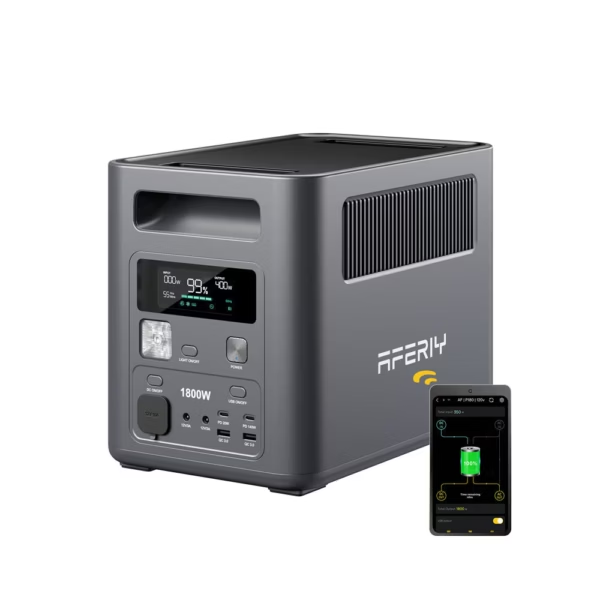
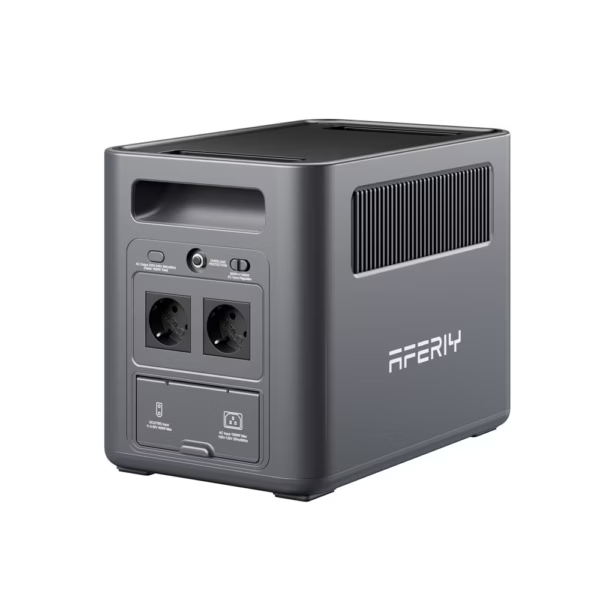
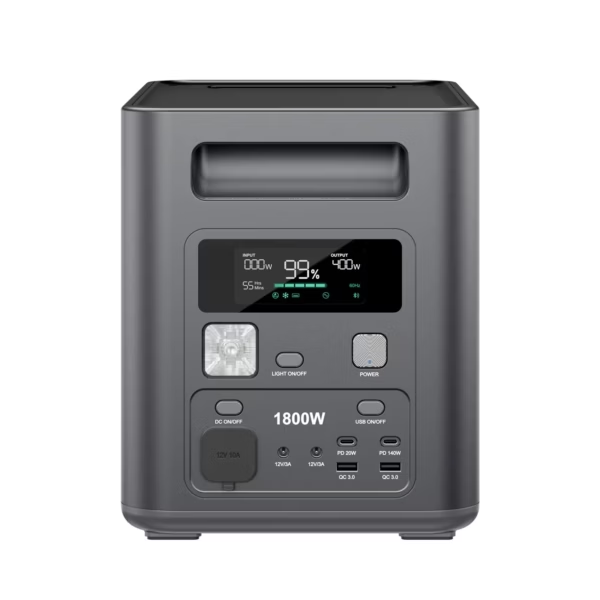
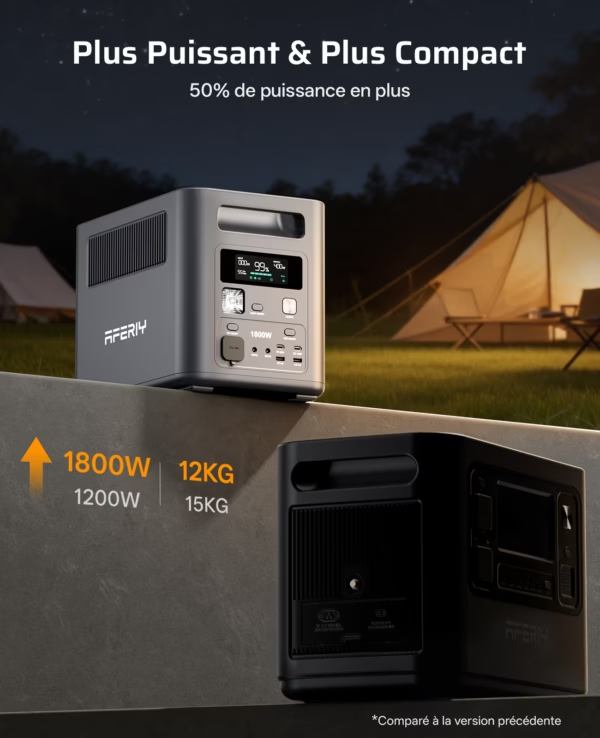
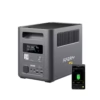
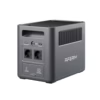
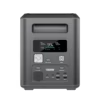

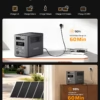
Practical power for real-life needs
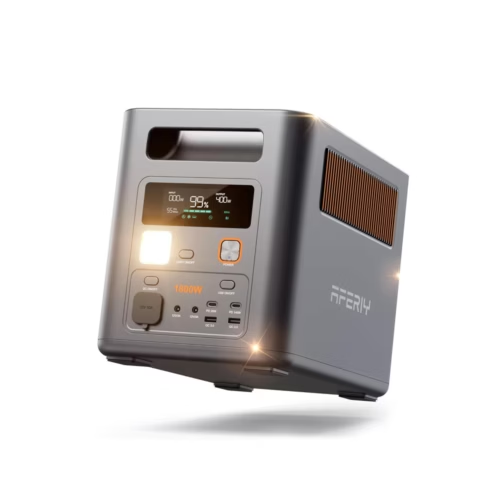
Power and capacity solve different problems: 1800W determines what can run, while 1024Wh determines for how long. The P180 combines both in a 11.64kg body that is still realistic to move between home, car and campsite.
Why this model stands out
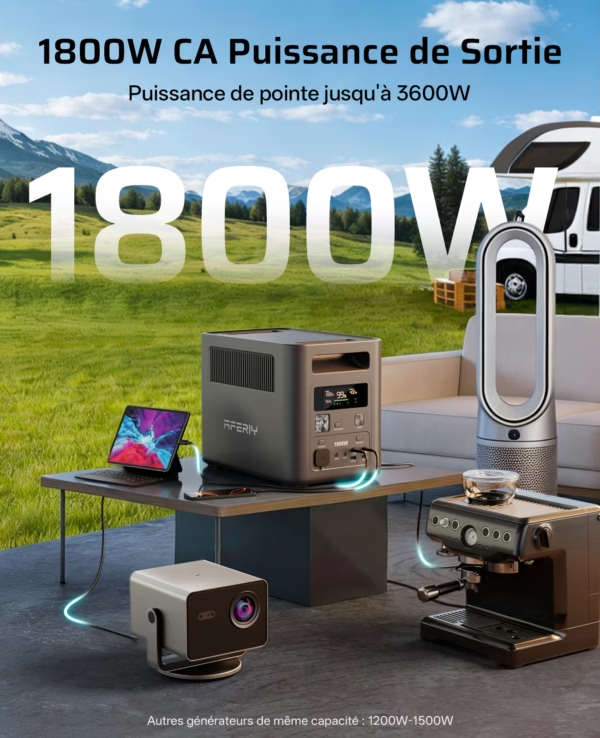
Runs meaningful appliances
Suitable for fridges, compatible coffee machines, TVs, laptops, routers and many tools within the output limits.
Less downtime
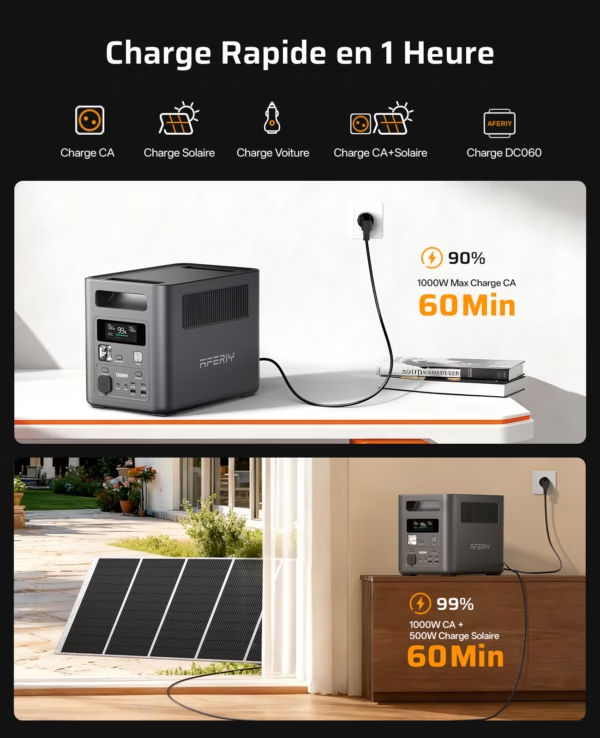
A mains recharge reaches roughly 90% in an hour, with up to 1500W combined AC and solar input.
Cleaner power for electronics
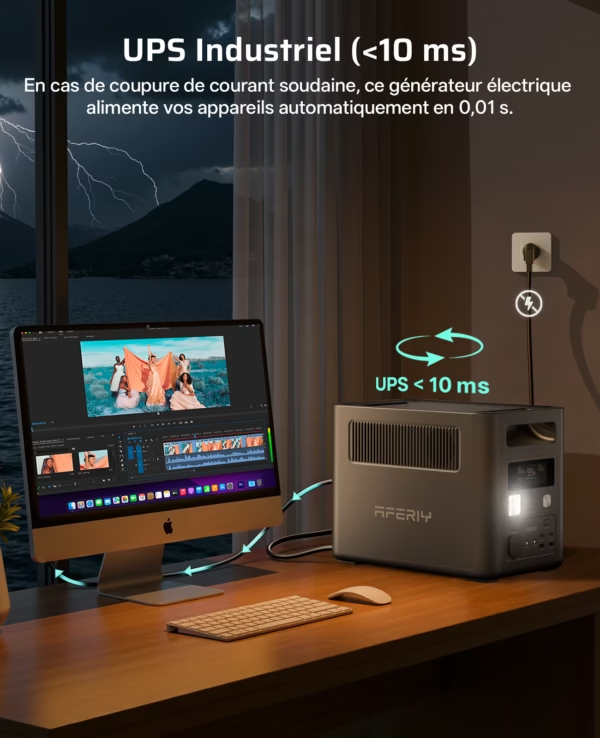
Pure sine wave output and sub-10ms UPS switching suit many computers and networking devices.
Made for frequent use
LiFePO4 cells are rated for more than 4000 cycles to 80% capacity.
What that means in everyday use
Home power cut
Keep broadband, lighting, communications and selected cold storage running.
Camping and van use
Charge a cool box, laptop, cameras, drone batteries and smaller appliances from one hub.
Remote work
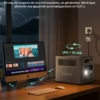
The 140W USB-C port can power demanding laptops without their mains charger.
Power and capacity answer different questions
Watts determine what can run at the same time; watt-hours describe the stored energy. A 100W device used for ten hours would consume 1000Wh in theory, before conversion losses and changing duty cycles are considered.
Allow for start-up surges as well. Fridges, pumps and power tools may briefly demand far more than their average draw. Sensible headroom prevents shutdowns and leaves capacity for a second device.
A strong choice if…
you want around 1kWh of usable reserve, up to 1800W output and a unit that one person can still carry.
Consider another model if…
you need sustained electric heating, several days off-grid or the option to add expansion batteries later.
Real-world runtime examples
Approximate figures based on around 85% usable energy. Actual runtime depends on the appliance, efficiency and duty cycle.
What to check before you buy
Check compressor and motor start-up surges, not just the rated watts. The standard P180 does not accept P180-B expansion batteries; that feature belongs to the Pro version.
Technical specifications
| Capacity | 1024Wh |
|---|---|
| AC output | 1800W continuous, 3600W peak, pure sine |
| Battery | LiFePO4, 4000+ cycles to 80% |
| Charging | 1000W AC, 500W solar, 1500W combined |
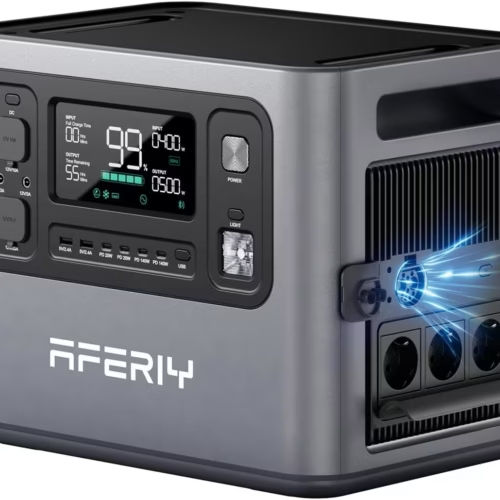
| Connections | 9 outputs including 2 AC sockets and 140W USB-C |
| UPS | Under 10ms switching |
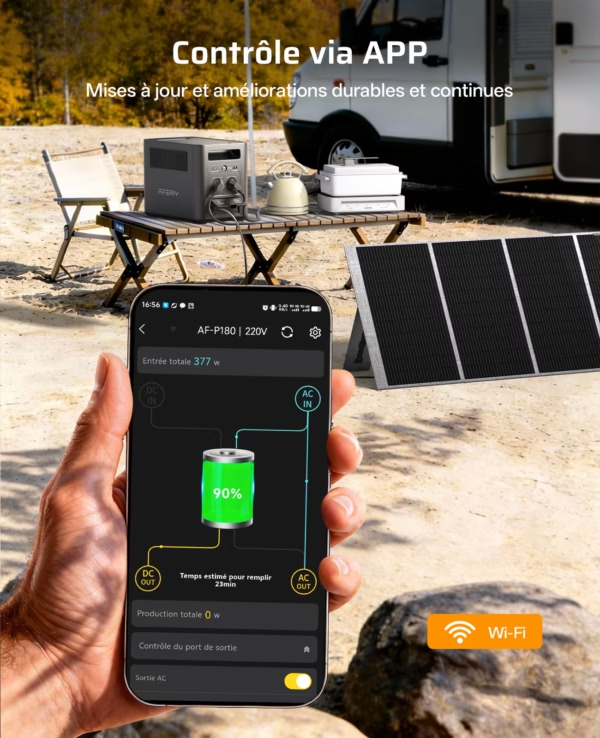
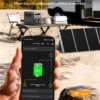
| Control | Display and AFERIY app |
| Size / weight | 350 x 220 x 263mm / 11.64kg |
| Warranty | 7 years under manufacturer terms |
Questions buyers often ask
Will it run a fridge?
Yes, provided both running and start-up power stay within limits. Runtime varies with the compressor cycle.
Can it power a kettle?
Only kettles rated at 1800W or less. Many UK kettles draw 2000-3000W and are unsuitable.
Can I expand the battery?
No. Choose the P180 Pro for P180-B compatibility.
Can it run while charging?
Yes, pass-through operation is supported.
What solar panel can I use?
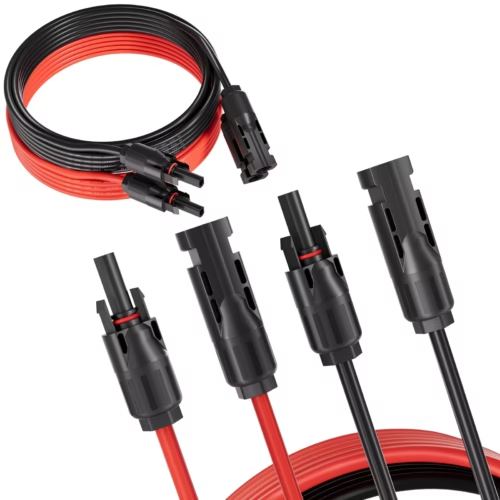
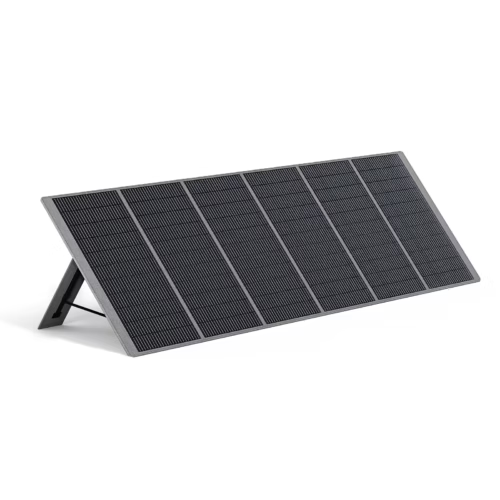
A compatible XT60 panel within the 11.5-55V range and 500W input limit.